Palazzo Abatellis (Galleria Regionale)
The Palazzo Abatellis was designed in 1490-95 for admiral Francesco Abatellis. It is now used for a museum and houses a marvellous collection of sculptures and paintings (Galleria Regionale). Its most famous works of art are the monumental fresco Triumph of Death (c. 1446-49) and Antonello da Messina’s Virgin Annunciate (1474).
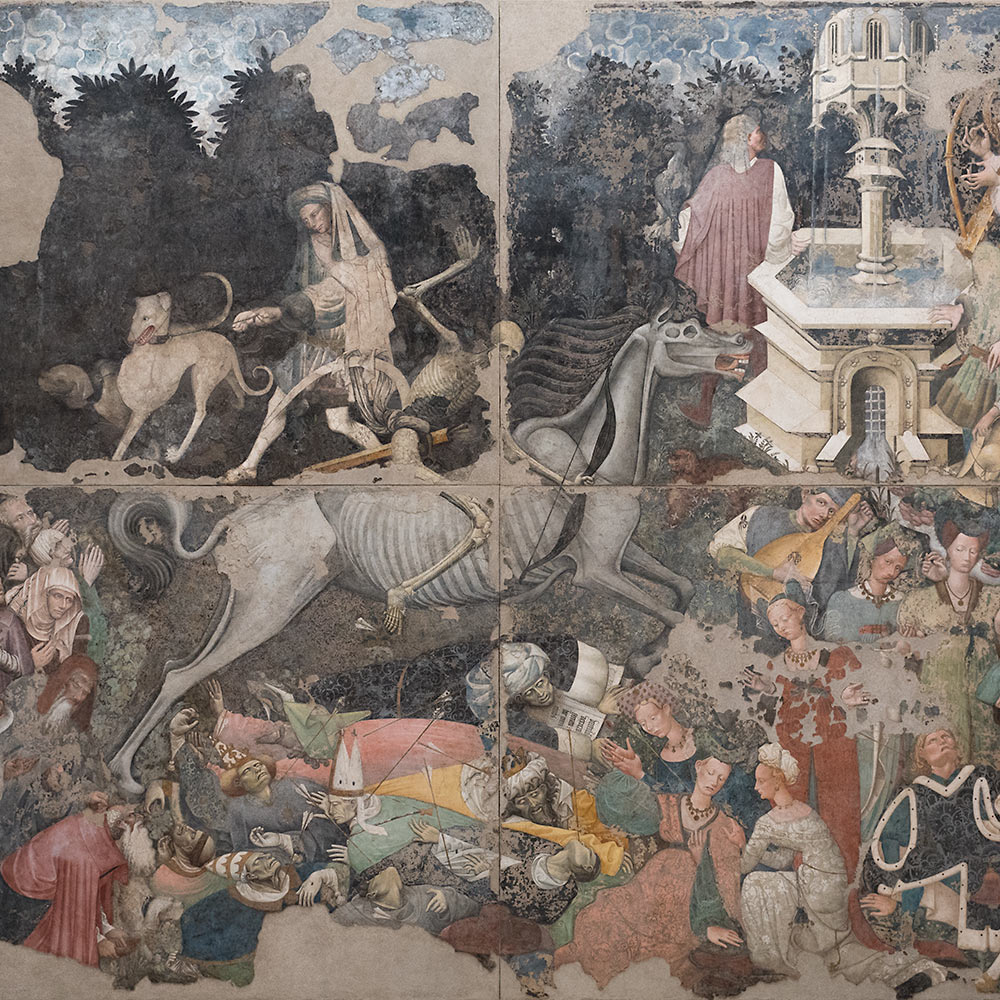
Triumph of Death (c. 1446-49), Palazzo Abatellis, Palermo. Originally in Palazzo Sclafani. 600x642 cm.
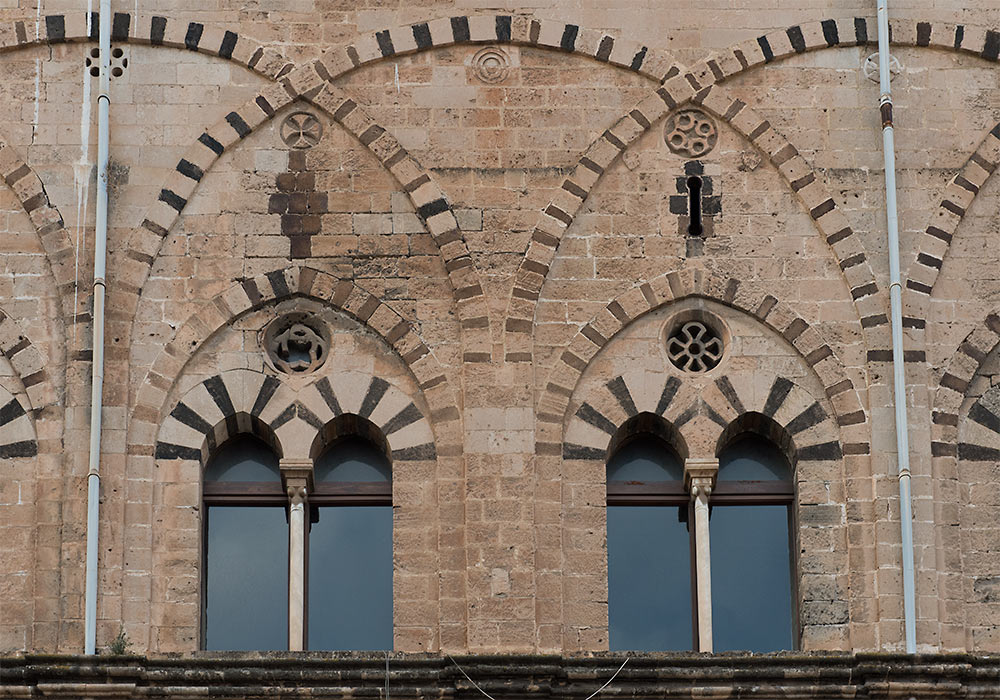
The beautiful Palazzo Sclafani, not far from the Norman Palace, was built by Matteo Sclafani in 1330. Note the lava-stone decorations around the windows. The Triumph of Death was originally in this building.
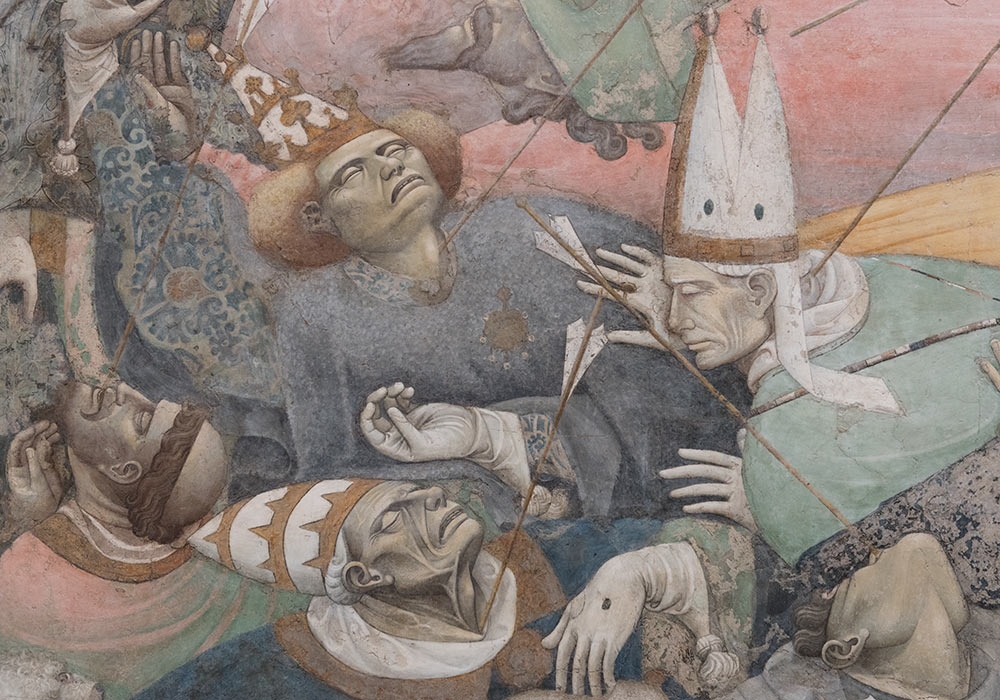
Triumph of Death, detail (c. 1446-49), Palazzo Abatellis, Palermo.
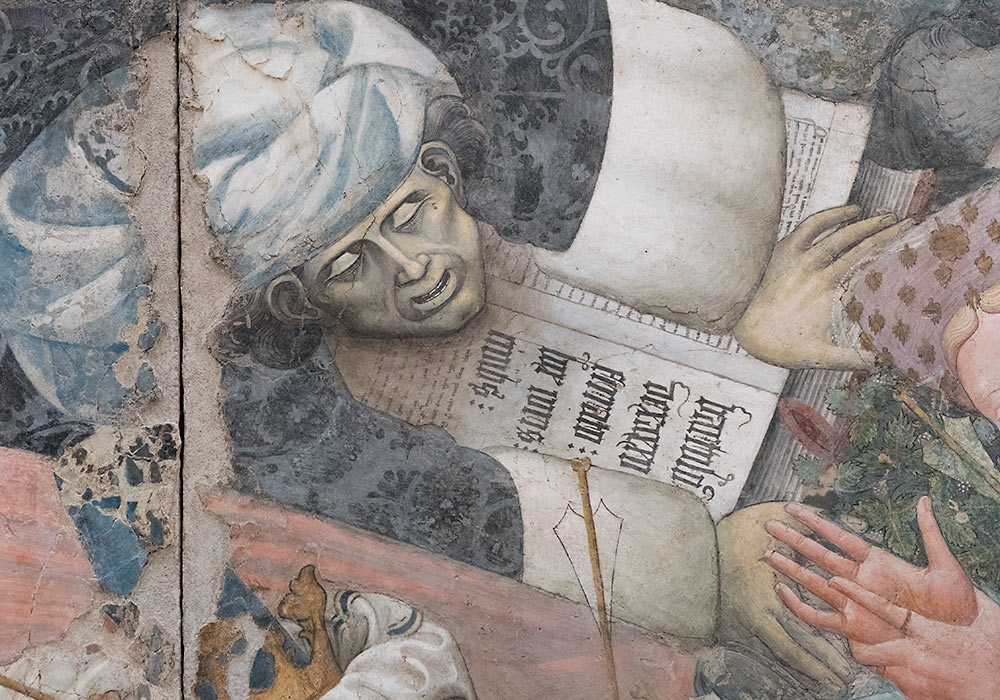
Triumph of Death, detail (c. 1446-49), Palazzo Abatellis, Palermo.
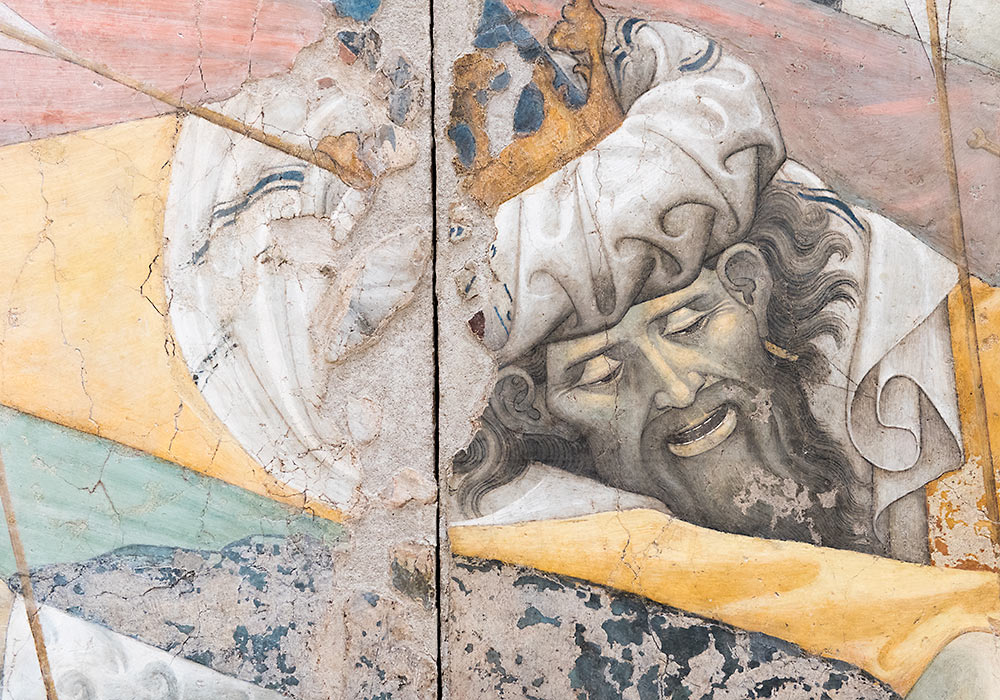
Even the King is but a mortal.
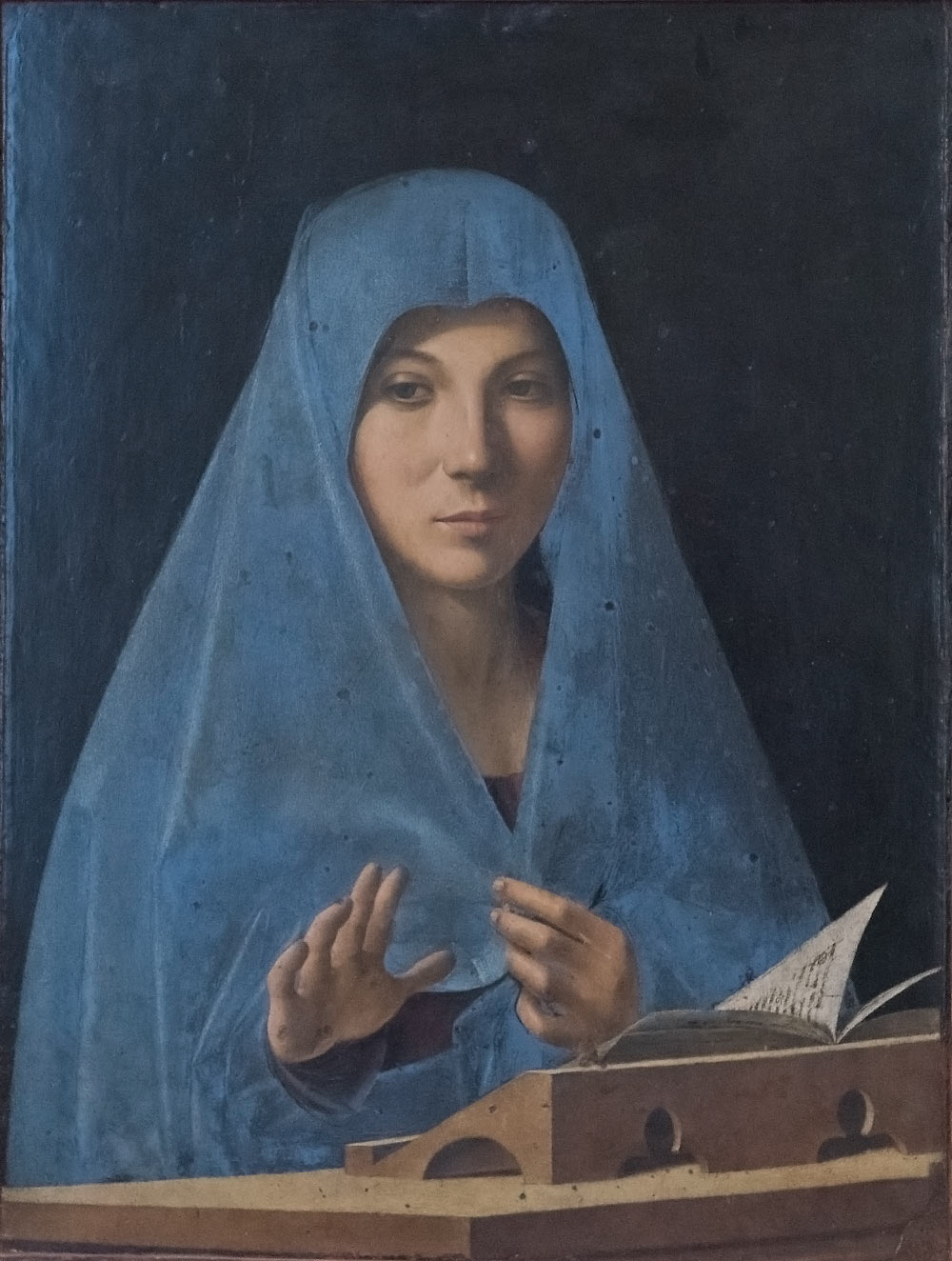
Antonello da Messina: Virgin Annunciate (1474). Antonello da Messina is Sicily's great Reneaissance painter.
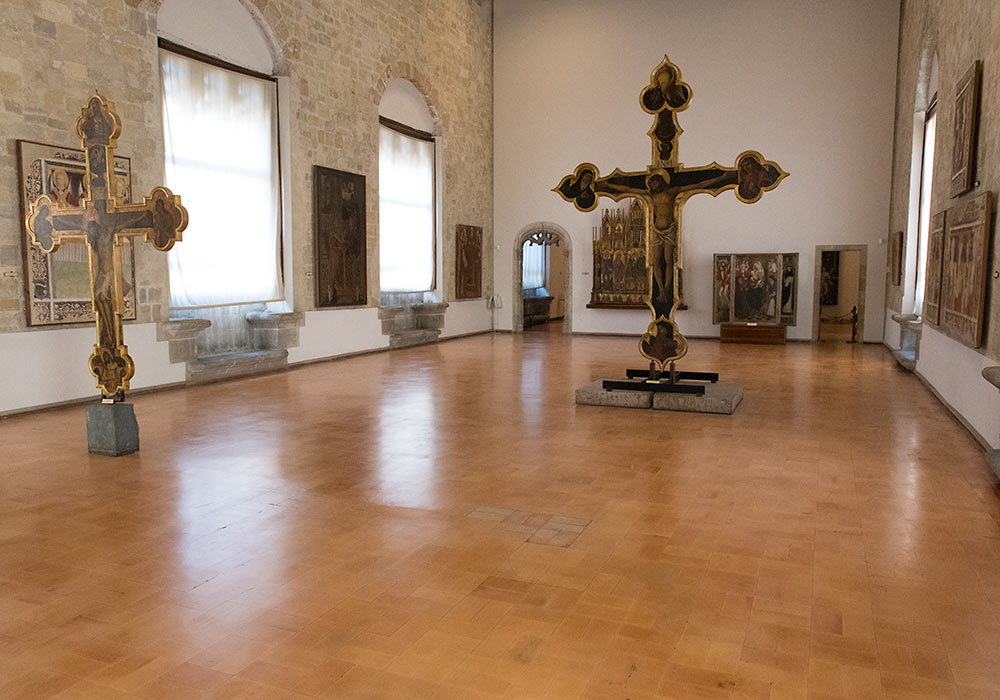
One of the rooms in the museum at Palazzo Abatellis.
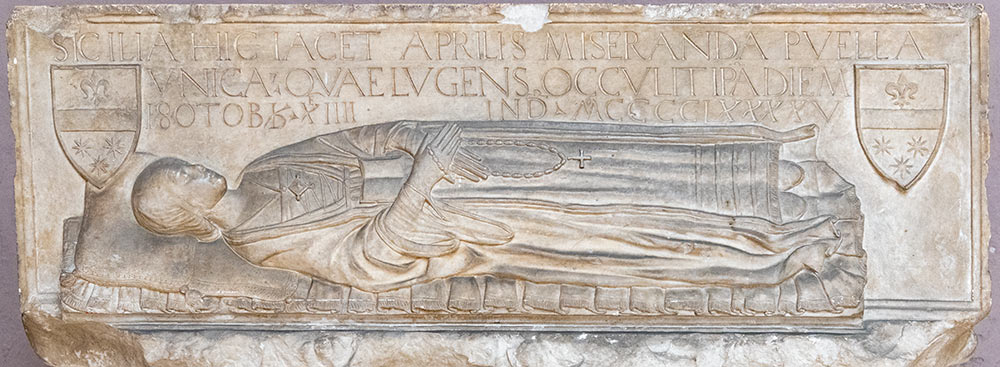
Sarcophagus of Cecilia Aprile (dead 1495), made by the workshop of Francesco Laurana (1430-1502). It was once located in Chiesa di Sant’Agostino, Palermo.
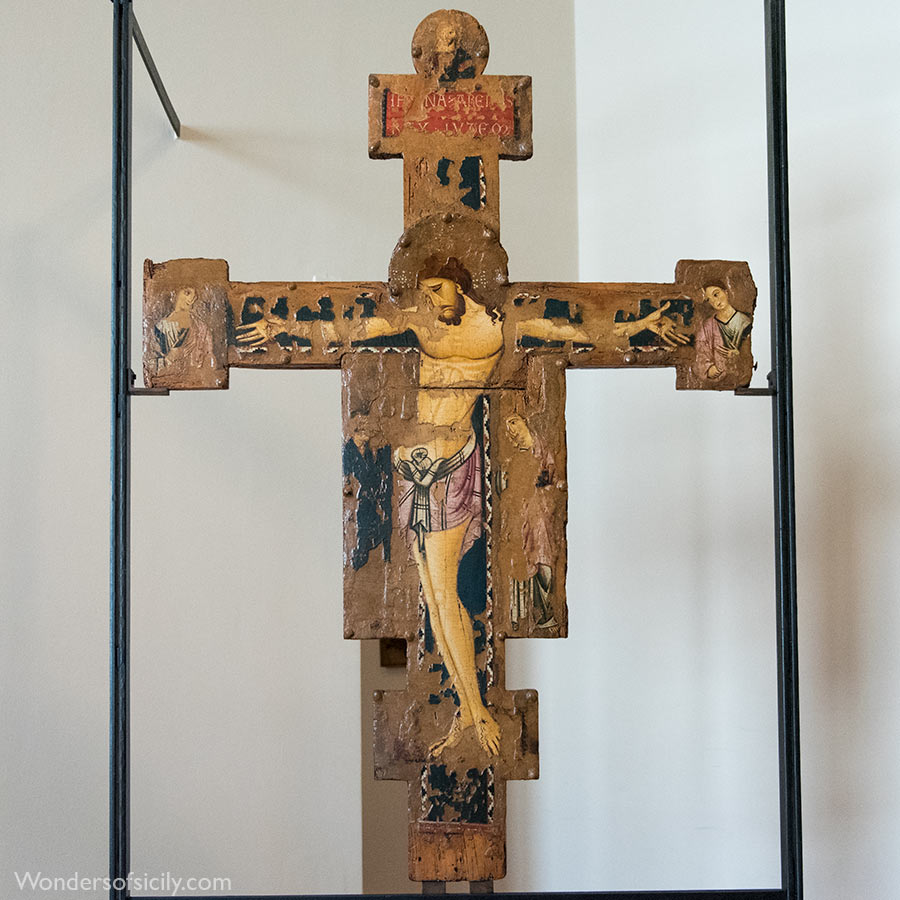
Cross painted with the Crucifix between the Madonna and St. John. Master of the Cross of Castelfiorentino (second half of the 13th century).
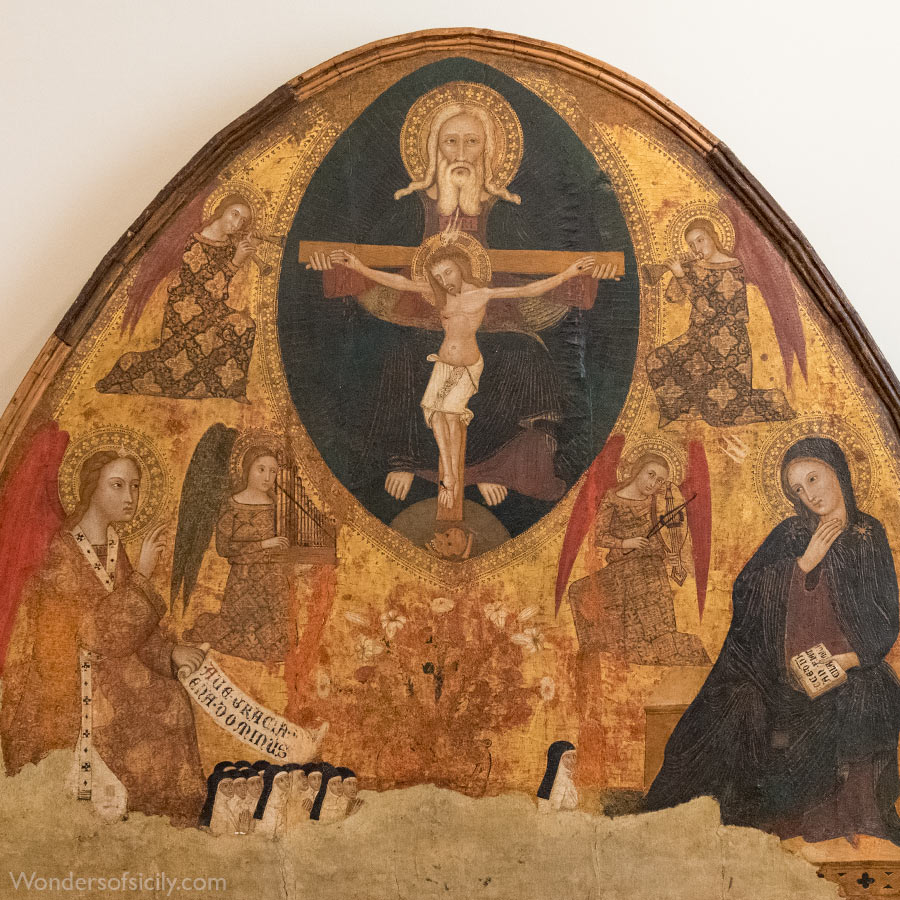
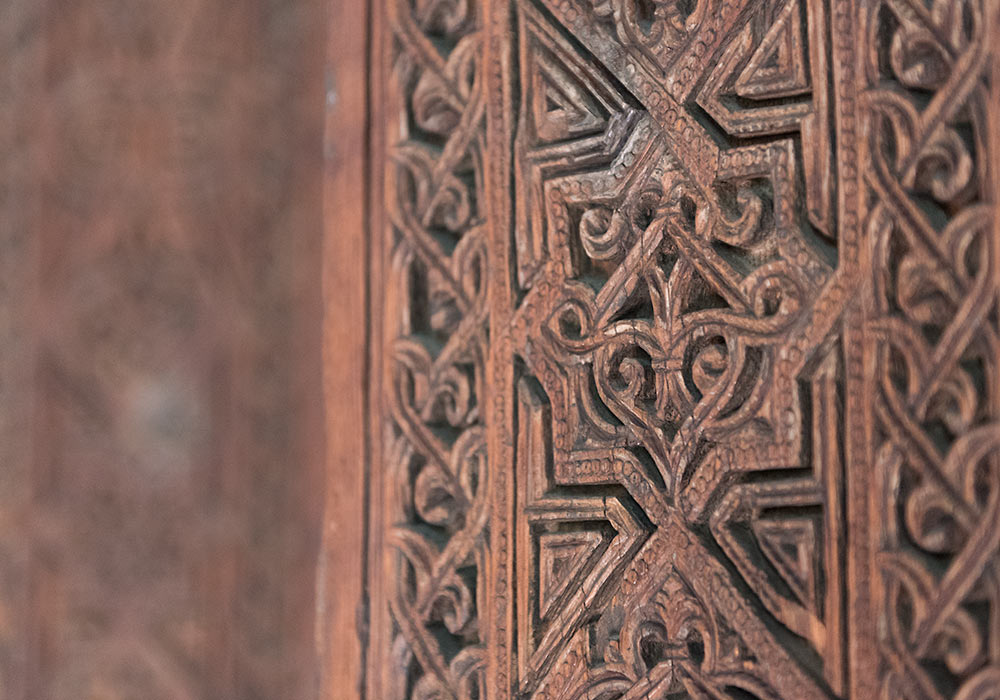
Arabic influenced door frame from Casa di Goffredo di Marturano, Palermo 12th century.
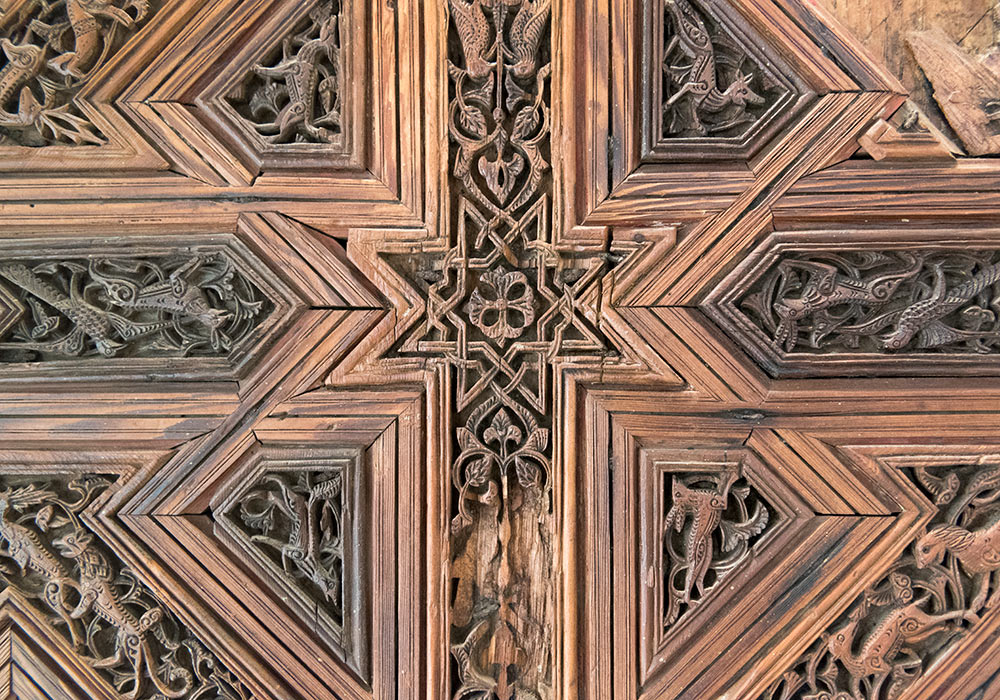
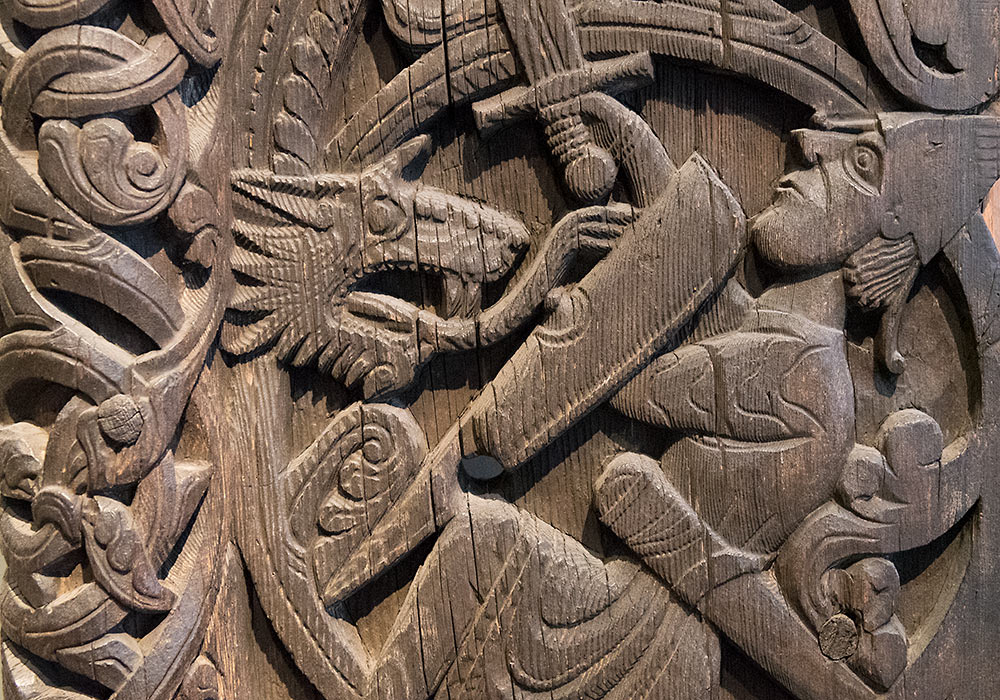
Fragment of the ceiling (12th century) in the Norman Palace. This is the time of the UNESCO Heritage listed stave churches in Norway. The portals of the stave churches were much coarser and often with a narrative from Norse mythology, but I find it interesting to note the similarities and differences.
Here is an example from the Norwegian Hylestad stave church (late 12C or early 13C):
> Click here for more photos of the Norwegian stave churches
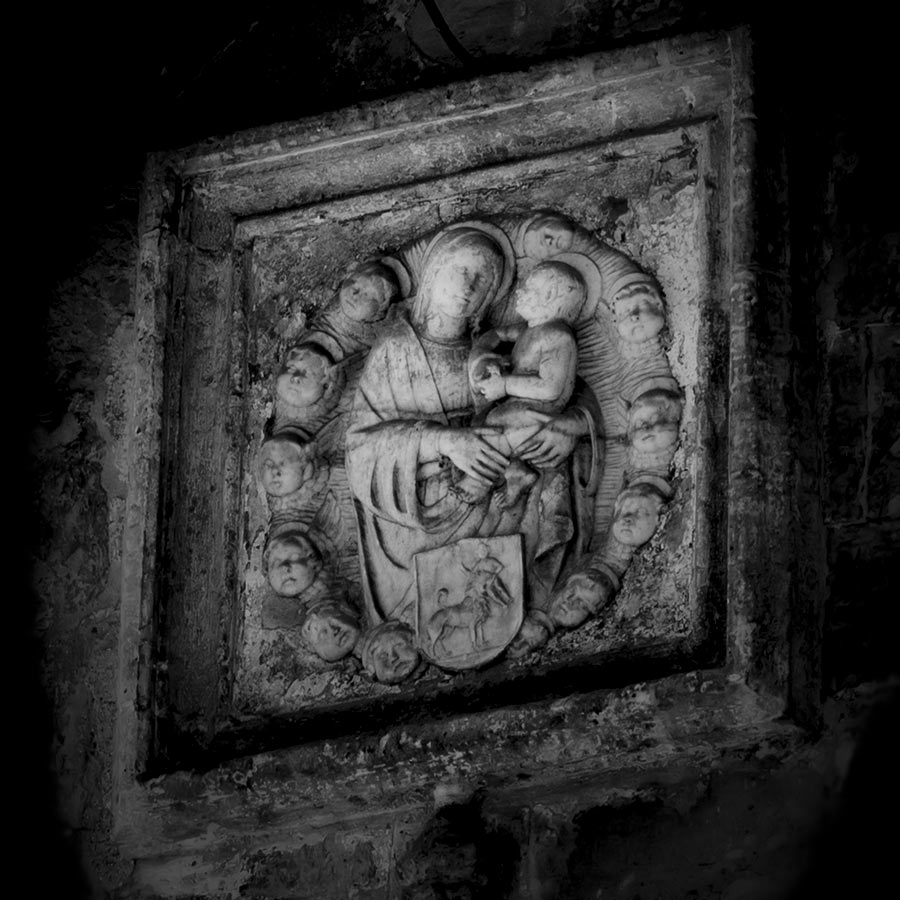
The Virgin and Child surrounded by angels. Relief on the facade of Palazzo Abatelli.
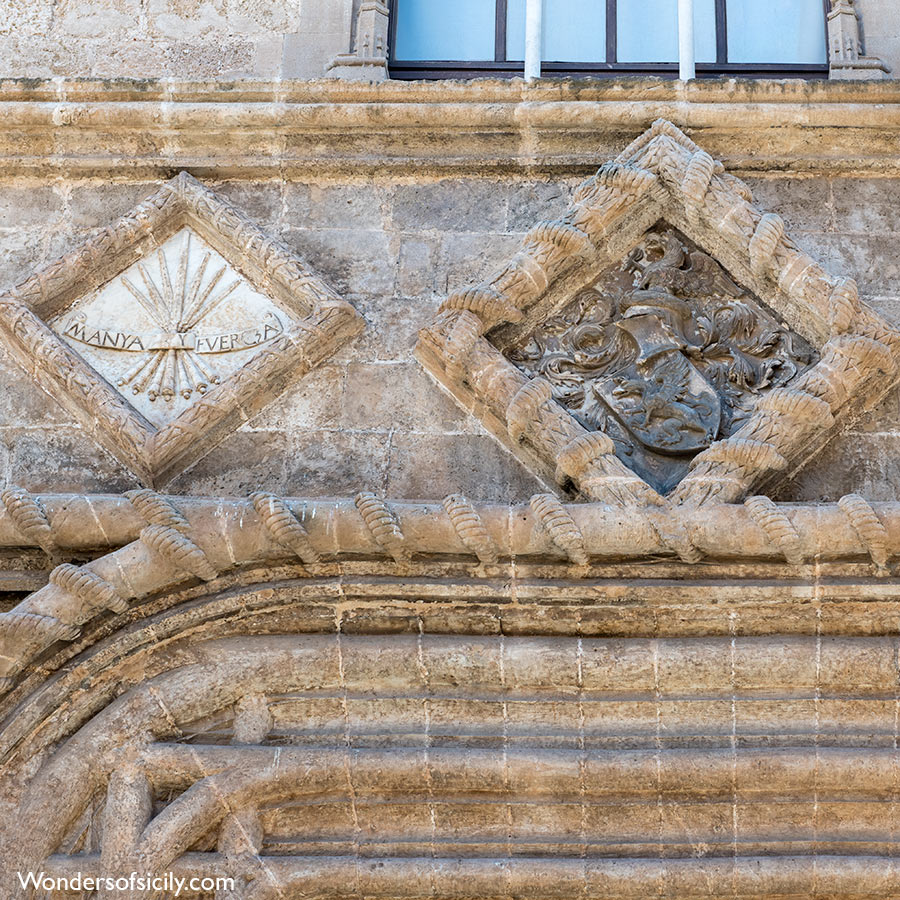
Detail of the building.